
The holiday lights are bright, and perhaps for the first time, you’re noticing something in family photos that’s been quietly changing for months; your hair looks thinner than it did last year.
You’re not imagining it. The winter months and cold weather have a way of making what we’ve been avoiding all year suddenly impossible to ignore.
The Holiday Hair Loss Phenomenon
Search trends reveal a consistent pattern: more people explore hair restoration solutions during the holiday season than at any other time of year. This isn’t a coincidence; it’s the combination of environmental factors, seasonal stress, and a unique moment of clarity that only the end of the year provides.

Indoor Heating and Harsh Lighting Holiday gatherings mean spending time in well-lit spaces with central heating running full blast. That combination creates the perfect conditions for noticing what you’ve been missing during your rushed morning routine. Indoor heating strips moisture from both the air and the scalp, making hair appear flatter and less voluminous. Meanwhile, bright overhead lighting at parties and family dinners casts shadows that emphasize thinning areas you might not notice in your bathroom mirror.
Year-End Photography From office holiday parties to family gatherings, December brings an onslaught of photos. Unlike the carefully angled selfies you control, these candid shots may capture you from every angle, including the crown and hairline views that reveal thinning you don’t see on a daily basis. Many patients report that a single holiday photo served as their wake-up call to address hair loss they’d been rationalizing for years.
The Stress Factor The holidays aren’t restful for everyone. Between year-end work deadlines, travel logistics, family dynamics, and financial pressures, December can trigger significant stress. This isn’t just uncomfortable; it can have real physiological effects on your hair. Stress can push hair follicles into premature shedding through a condition called telogen effluvium, causing noticeable hair loss approximately three months after a stressful period. If you’re seeing increased shedding now, it may reflect stress from earlier in the fall.
Seasonal Hair Shedding Beyond holiday-specific factors, winter itself affects hair. Research shows that late fall and early winter represent peak periods for natural hair shedding. While losing 50 to 100 hairs daily is normal, many people experience increased shedding during these months as part of the natural hair growth cycle. Cold weather also reduces blood circulation to the scalp as your body prioritizes warming vital organs, potentially weakening follicle activity.
Why December Brings Clarity
The holiday season offers something rare in our overscheduled lives: pause. A few days off work. Shifting routines. You have time to actually look in the mirror rather than rushing past it. This natural slow down creates space for honest self-assessment about concerns you’ve been postponing.
The Reflection Moment As one year ends and another begins, we naturally evaluate where we are versus where we want to be. Hair loss that felt manageable in March suddenly feels urgent in December when you’re thinking about next year’s milestones—weddings, reunions, career moves, or simply feeling confident in your own skin.
The Privacy Advantage Winter provides practical benefits for hair restoration procedures. Colder weather means you’re already wearing hats without raising questions. Indoor social activities mean less sun exposure during critical healing periods. Holiday time off can provide recovery windows that busy spring and summer schedules can’t accommodate.
Understanding the Science: Winter and Hair Health
Winter’s impact on hair extends beyond how it looks. The season genuinely affects hair health through multiple mechanisms.
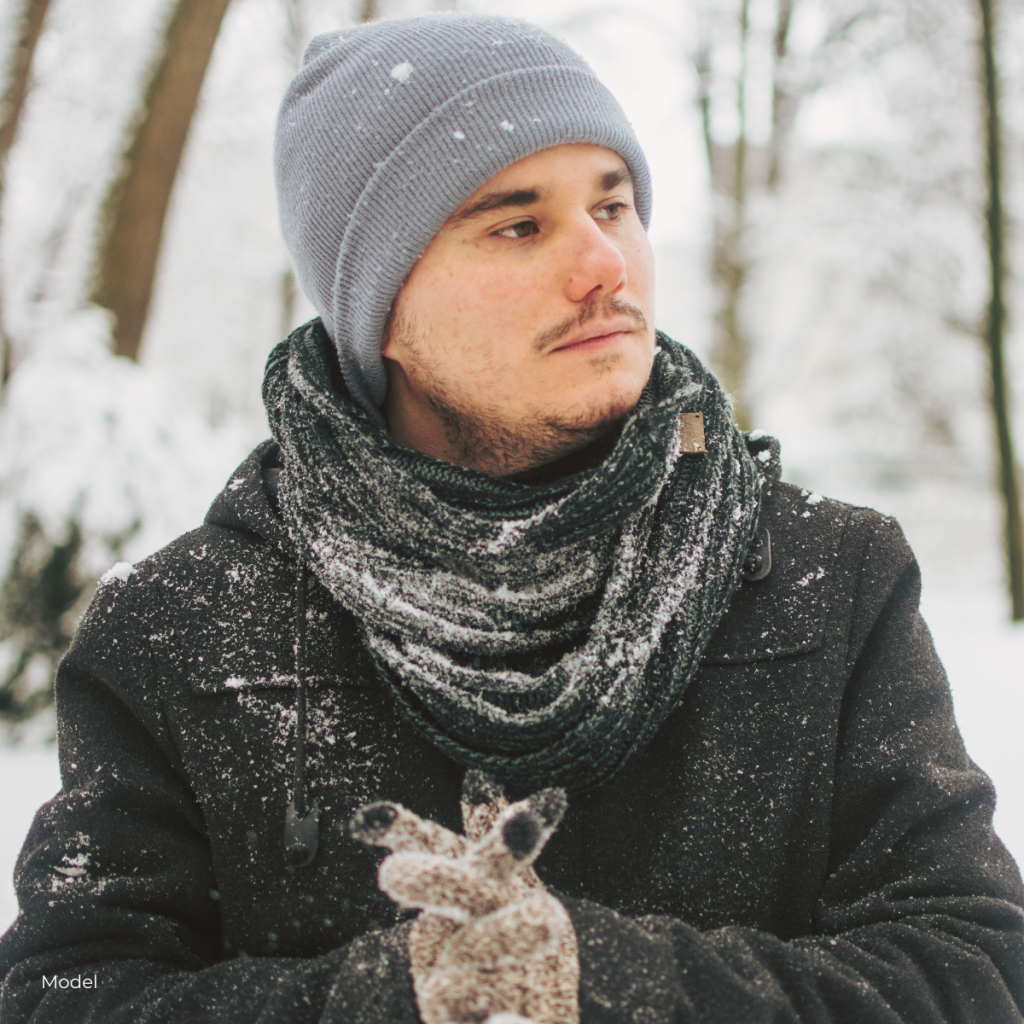
Reduced Blood Flow When temperatures drop, your body responds by directing blood flow toward your core to maintain vital organ function. This means reduced circulation to your scalp. Hair follicles depend on adequate blood supply to receive the oxygen and nutrients necessary for healthy growth. Diminished circulation can weaken follicles and slow the hair growth cycle.
Vitamin D Deficiency Shorter days and less time outdoors mean reduced sun exposure and declining vitamin D levels. Research consistently links vitamin D deficiency to hair loss, with studies showing that a significant majority of people experiencing hair loss also have low vitamin D levels. This seasonal decline in vitamin D can exacerbate existing hair thinning.
Dry Air and Scalp Health The combination of cold outdoor air and dry indoor heating creates a harsh environment for your scalp. Dry air strips moisture, leading to flaky, irritated scalp conditions that can compromise follicle health. A stressed scalp provides a poor environment for hair growth and can accelerate shedding.
Nutritional Changes Holiday eating patterns often mean less nutritious food and more indulgent options. While enjoying seasonal treats isn’t inherently problematic, weeks of altered nutrition can impact hair health. Hair follicles require consistent supplies of protein, iron, zinc, and B vitamins. Holiday dietary disruptions, combined with reduced sunlight and increased stress, create a perfect storm for hair concerns.
When Seasonal Shedding Signals Something More
Not all holiday hair loss is temporary. While seasonal shedding typically resolves on its own, persistent or progressive thinning indicates pattern baldness that won’t improve without intervention.
Pattern Baldness Doesn’t Take Holidays Androgenetic alopecia—male and female pattern baldness—operates on a continuous timeline. The holiday season simply provides better lighting and more photos to notice what’s been happening gradually for months or years. If you’re seeing a receding hairline, widening part, or thinning crown, these changes reflect ongoing follicle miniaturization that requires professional treatment to address.
The Three-Month Rule If you experienced significant stress in September or October, you might see increased shedding now due to telogen effluvium. This type of hair loss typically resolves once the stressor is removed. However, if thinning has been progressive over multiple seasons regardless of stress levels, you’re likely dealing with genetic hair loss rather than temporary shedding.
Signs That Warrant Professional Consultation
- Progressive thinning over multiple months or years
- Noticeable recession of the hairline or widening of the part
- Visible scalp in areas that were previously covered
- Thinning that doesn’t improve after addressing seasonal factors
- Family history of pattern baldness
- Hair loss affecting your confidence or quality of life
Taking Action: From Awareness to Solution
Recognizing that your hair loss isn’t temporary represents an important first step. The question becomes: what do you do with that awareness?
Why Timing Matters Hair restoration delivers better results when started earlier. Once follicles have been dormant for years, revival becomes more challenging. The thinning you’re noticing now will likely be more pronounced next December without intervention. Addressing it now means you’re working with healthier follicles that respond better to treatment.
Comprehensive Evaluation Effective treatment begins with understanding your specific situation. Not all hair loss is the same, and cookie-cutter approaches fail to address individual factors like:
- The pattern and extent of your hair loss
- How rapidly it’s progressing
- Your family history and genetic predisposition
- Your overall health and any contributing medical factors
- Your goals and expectations for restoration
Board-certified facial plastic surgeons specializing in hair restoration bring the expertise necessary to evaluate these factors accurately. We examine not just your current hair loss but also project how it’s likely to progress, allowing us to design treatment approaches that address both present concerns and future needs.
Treatment Options for Every Stage
Non-Surgical Approaches: For individuals in earlier stages of hair loss, non-surgical treatments can slow progression and improve hair quality:
- PRP Therapy: Uses growth factors from your own blood to stimulate dormant follicles and strengthen existing hair
- Medical Management: FDA-approved medications and advanced formulations that address hormonal factors in pattern baldness
- Combination Protocols: Strategic integration of multiple therapies for enhanced results
Surgical Restoration: For more advanced hair loss or those seeking dramatic transformation, surgical options provide permanent, natural-looking results:
- Follicular Unit Extraction (FUE): Minimally invasive technique that harvests individual follicles for precise placement
- Follicular Unit Transplantation (FUT): Optimal for extensive coverage needs, allowing transplantation of larger numbers of grafts
Integrated Approach: The most sophisticated strategy often combines surgical and non-surgical methods. PRP therapy enhances surgical results by improving graft survival and stimulating surrounding native hair. Medical management preserves existing hair while transplanted follicles establish themselves. This comprehensive approach delivers superior outcomes compared to any single treatment alone.
The Winter Advantage: Why Now Is Ideal
Winter offers practical advantages for hair restoration procedures.
Recovery Timing Hair transplant recovery requires avoiding strenuous exercise and protecting your scalp during initial healing. Winter naturally accommodates these restrictions. You’re already spending more time indoors, wearing protective headwear, and avoiding intense sun exposure. The holidays often provide time off work that creates ideal recovery windows without disrupting your professional life.
Preparation for Spring and Summer Hair transplant timelines mean that procedures performed in winter position you for visible improvement by late spring and summer. While transplanted hair sheds initially before regrowing, starting the process now means you’ll see progressive improvement during the months when you’re most socially active and concerned about appearance.
Discreet Healing Hats, scarves, and cold-weather attire that would seem unusual in July appear completely normal in January. This allows you to protect healing grafts and cover any temporary redness without explaining yourself to colleagues, friends, or casual acquaintances.
Beyond the Procedure: Long-Term Perspective
Hair restoration isn’t just about the procedure itself—it’s about establishing a sustainable approach to maintaining your results and protecting your investment.
Ongoing Maintenance Whether you pursue surgical restoration, non-surgical treatment, or a combination approach, long-term success requires continued attention. Native hair not affected by transplantation can continue thinning if left unmanaged. Maintenance treatments, whether periodic PRP sessions or continued medical management, preserve both transplanted and existing hair.
Realistic Expectations The best outcomes occur when expectations align with what’s medically achievable. Hair restoration can deliver dramatic improvements, but it works within the constraints of your donor hair supply, existing follicle health, and the extent of your hair loss. Honest conversations during consultation ensure you understand what your specific situation can achieve.
The Confidence Factor Ultimately, hair restoration is about more than follicles and grafts—it’s about how you feel when you look in the mirror, sit for photos, or walk into a room. The confidence that comes from addressing something that’s been bothering you extends far beyond your hairline.
Making Your Decision
If this holiday season has made you finally acknowledge hair loss you’ve been avoiding, you’re not alone. Thousands of people experience this same moment of clarity. The difference lies in what happens next.
What to Expect from Your Consultation
A comprehensive hair restoration consultation should provide:
- Thorough evaluation of your hair loss pattern and progression
- Honest assessment of what’s achievable given your specific situation
- Clear explanation of treatment options and their respective benefits
- Realistic timeline for procedures and expected results
- Transparent discussion of costs and financing options
- Answers to all your questions without pressure or sales tactics
The right specialist takes time to understand not just your hair loss but your life, including your professional demands, social concerns, and personal goals. This individualized approach ensures recommendations truly serve your needs rather than follow a predetermined template.
Your Next Step
Winter offers the perfect time to begin your hair restoration journey. The procedures that could restore your confidence are available now, performed by specialists who combine surgical precision with artistic vision to create natural-looking results.
Next December, you can look at holiday photos with confidence, knowing you took action when it mattered.
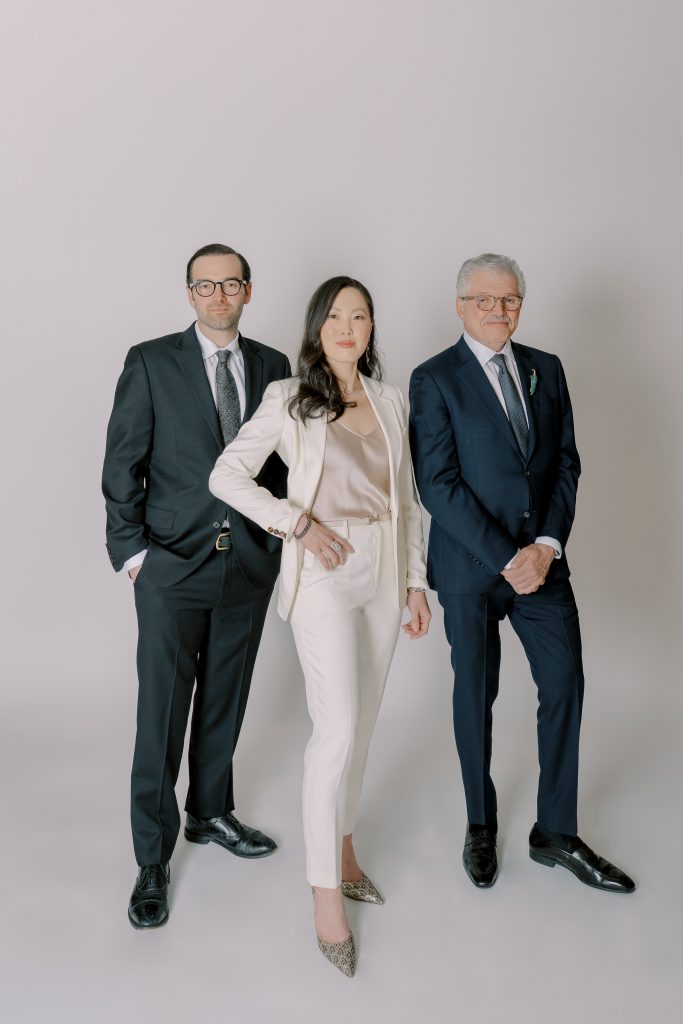
Ready to discuss your hair restoration options? Request your consultation online or call the Quatela Center for Hair Restoration. Our double board-certified facial plastic surgeons specialize in comprehensive hair restoration approaches, from advanced surgical techniques to cutting-edge regenerative therapies like PRP. We serve patients locally and nationally through our concierge program for out-of-town visitors.
Leave a Reply