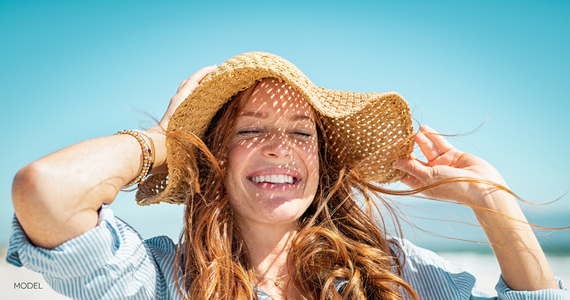
You apply sunscreen to your face, neck, and exposed skin whenever you’re outside. You wear sunglasses to protect your eyes. But what about protecting your hair?
As temperatures rise and you spend more time outdoors, your hair experiences increased exposure to UV radiation. This sun damage accelerates hair aging, worsens thinning, and compromises the quality of both natural and transplanted hair. Understanding how UV rays affect your hair and taking protective measures ensures your hair stays healthy throughout the sunny months.
How UV Rays Damage Hair
Sun exposure damages hair through multiple mechanisms that affect both hair shaft quality and follicle health.
Structural Damage to Hair Shafts UV radiation penetrates the hair cuticle and damages the protein structure inside. This breaks down keratin, the primary protein that gives hair its strength and elasticity. Over time, UV-damaged hair becomes:
- Dry and brittle
- Prone to breakage and split ends
- Dull and faded in color
- Weakened throughout its length
Loss of Hair Color If you have colored hair, sun exposure fades color noticeably. UV rays break down the bonds that hold color molecules in place. Even natural hair color can become lighter and duller with extended sun exposure.
Moisture Loss UV radiation increases water loss from the hair shaft, leaving hair parched and prone to frizz. This moisture loss is compounded by chlorine exposure from swimming and the drying effects of heat and humidity.
Scalp Damage Your scalp faces direct UV exposure, especially in areas of thinning hair or along your part line. Sun damage to the scalp can trigger inflammation that stresses hair follicles and accelerate shedding.
Impact on Hair Growth Cycles Research suggests that UV exposure may stress hair follicles and push them prematurely into the shedding phase. For people already dealing with hair loss, this additional stress can worsen thinning.
Why Hair Loss Makes Sun Protection More Critical
If you’re experiencing hair thinning or have undergone hair transplant surgery, sun protection becomes even more important.
Visible Scalp Vulnerability Thinning hair exposes more scalp surface directly to UV rays. Areas that were previously protected by dense hair now face full sun exposure. This makes your scalp more vulnerable to damage and inflammation.
Transplanted Hair Sensitivity Hair transplants require time to establish stable blood supply and secure attachment. During the first year after transplant, newly transplanted grafts are more sensitive to environmental stressors, including sun exposure. Protecting these grafts during critical healing phases improves graft survival and hair quality.
Compromised Hair Quality Hair loss often involves some degree of miniaturization, where follicles produce thinner, weaker hair. These compromised hairs are more vulnerable to UV damage and break more easily than healthy terminal hair.
Medication Interactions Some hair loss medications, particularly topical minoxidil and certain topical treatments, can increase sun sensitivity. Protection becomes even more important when using these therapies.
Practical Sun Protection Strategies for Hair
Protecting your hair from UV damage requires a multi-pronged approach combining physical barriers, protective products, and timed exposure.

Physical Barriers The most effective sun protection is simply keeping UV rays off your hair:
- Wear hats with wide brims that shade your scalp, hairline, and ears (choose UV-protective hats specifically designed to block the sun) or baseball caps to protect your hairline and part
- Use umbrellas during peak sun hours
- Seek shade during midday hours when UV radiation is strongest
For people with hair loss, hats serve double duty: protecting your hair and scalp while providing the coverage and confidence boost you want.
Protective Hair Products Hair care products formulated with UV filters create a protective barrier:
- UV-protective shampoos and conditioners
- Leave-in conditioners with UV blockers
- Hair serums and oils with sunscreen ingredients
- Spray-on hair sunscreen products
These products work by absorbing UV rays before they damage your hair. They also provide moisture replenishment that counteracts sun damage and drying effects.
Antioxidant Protection Products containing antioxidants like vitamins C and E, green tea extract, or resveratrol help neutralize damage from free radicals created by UV exposure:
- Apply antioxidant serums before sun exposure
- Use antioxidant-rich conditioners
- Consider oral antioxidant supplements that support hair health
Timing and Habits Simple behavioral changes reduce UV exposure:
- Limit time in direct sun during peak hours (10am to 4pm)
- Rinse chlorine immediately after swimming to prevent additional chemical damage
- Let hair dry naturally when possible rather than using heat styling
- Deep condition hair after beach or pool days to restore moisture
Post-Transplant Sun Protection If you’ve had hair transplant surgery, specific sun protection protocols apply:
- Avoid direct sun exposure for at least 3 weeks post-op by wearing a hat or protective covering
- For one year, avoid unprotected direct sun exposure
- Apply sunscreen to any exposed scalp (though avoid transplant recipient sites initially as directed by your surgeon)
- Use UV-protective hair products once cleared by your medical team
How Red Light Therapy Complements Sun Protection
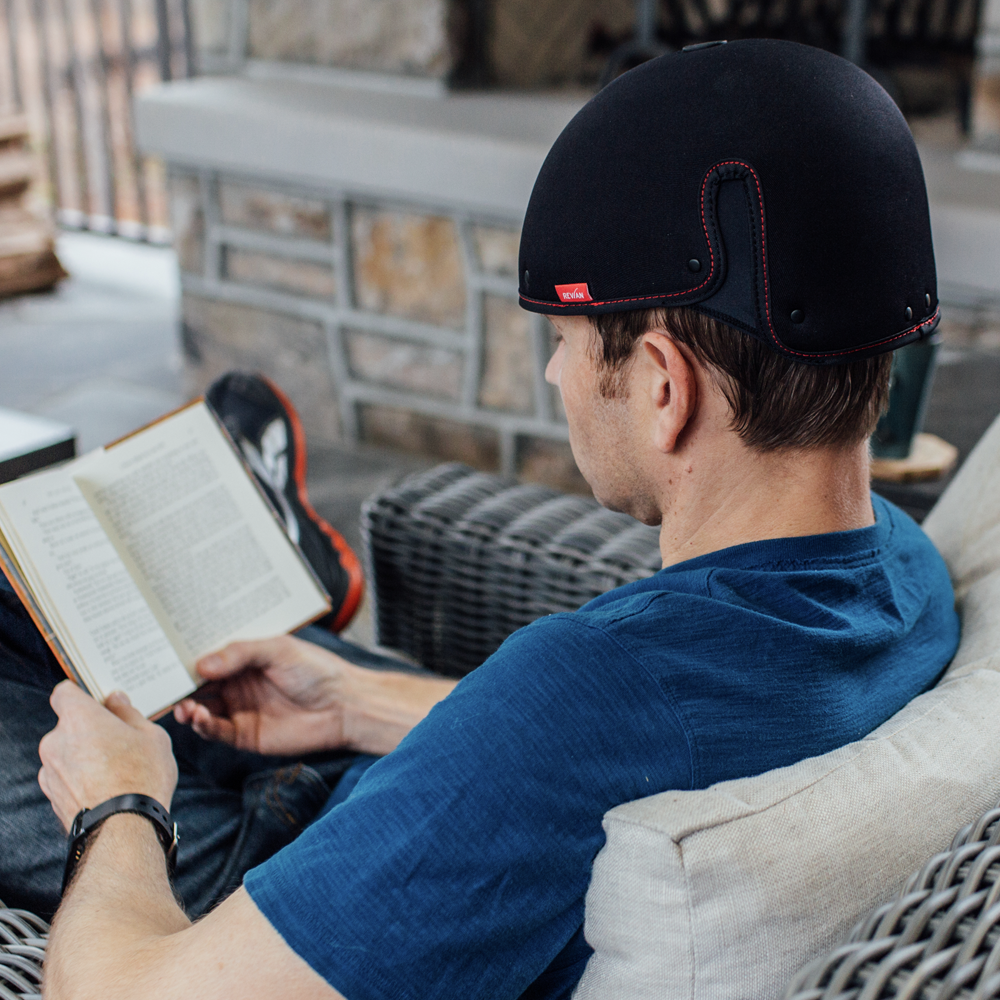
Red light wavelengths penetrate the scalp and stimulate cellular activity in hair follicles, promoting blood flow and reducing inflammation. This cellular support is particularly valuable after UV damage or during summer months when your hair is under environmental stress.
While protecting against UV damage is essential, red light therapy from devices like REVIAN Red Hair Growth System works on the opposite end of the spectrum to support hair health.
Using REVIAN Red light therapy (10 minutes daily) combined with strong UV protection creates a comprehensive approach: you’re protecting your hair from damage while simultaneously supporting follicle health and growth at the cellular level.
Questions About Sun and Hair Health
Does sun exposure cause permanent hair loss? Sun damage stresses hair follicles and can trigger increased shedding, but doesn’t cause permanent hair loss on its own. However, combined with genetic predisposition to pattern baldness, excessive sun exposure may worsen thinning over time. Protecting your hair is particularly important if you’re already dealing with hair loss.
Can sunscreen on the scalp clog follicles? Hair-specific sunscreens are formulated to protect without clogging. Avoid heavy body sunscreens on your scalp. Instead, use UV-protective hair products, wear protective hats, or apply sunscreen only to exposed scalp areas, then rinse thoroughly.
How quickly do I see UV damage in my hair? Visible damage like dullness and dryness appears within days of intense sun exposure. Structural damage like weakening and breakage develops over weeks and months of cumulative exposure. Color fading becomes noticeable within days for colored hair.
Is there a difference between UVA and UVB protection for hair? Both UVA and UVB rays damage hair. UVB rays cause more immediate surface damage and scalp inflammation. UVA rays penetrate deeper into the hair shaft. Look for “broad spectrum” UV protection that blocks both.
Can I reverse sun damage to my hair? You cannot reverse structural damage to hair shafts. Once keratin is broken down, that section of hair is compromised. However, you can prevent further damage by protecting hair going forward. Deep conditioning and protein treatments help temporarily restore moisture and appearance, but the only permanent solution to severely damaged hair is trimming damaged ends.
Planning Your Summer Hair Strategy
As summer approaches and sun exposure increases, now is the time to implement protective measures and ensure your hair is as healthy as possible.
For Those Considering Hair Transplant Surgery Increased sun exposure may make spring and summer an ideal time for you to have transplant surgery. Recovery occurs during sunny months when you’re already wearing protective hats. By late summer and fall, new transplanted hair will be establishing itself. Starting the consultation process means procedures can be timed for optimal recovery conditions that work with your schedule.
For Those With Recent Transplants If you had surgery in the past few months, summer sun protection becomes critical. Your transplanted grafts are still establishing stability and blood supply. Strong UV protection during this vulnerable period improves graft success and hair quality.
For Those Managing Hair Loss Protecting existing hair from additional UV stress is important when you’re already dealing with thinning. Combine physical barriers (hats), protective products (UV-blocking hair care), and supportive therapies (red light therapy) to maintain the healthiest hair possible while considering restoration options.
For Those With Healthy Hair Even if you’re not experiencing hair loss, summer sun protection prevents premature aging of your hair. Protecting your hair from UV damage now prevents thinning and weakening years down the road.
Taking Action
Sun protection for hair isn’t complicated, but it requires intention. The good news is that many protective measures (wearing hats, using sunscreen, deep conditioning) benefit your hair regardless of whether you’re dealing with hair loss.
Start with basic steps: wear a hat during outdoor activities, switch to UV-protective hair products for summer, rinse thoroughly after swimming, and deep condition regularly. If you’re interested in additional support through red light therapy, our REVIAN Red Hair Growth System provides daily cellular support for follicle health.
Protecting your hair from the increased stress that sun exposure and chlorine can bring ensures your hair stays healthy, strong, and as full as possible throughout the sunny, outdoor season.
If you are concerned about hair thinning or loss, we’d love to connect with you. Contact us at 585.244.0323 or request your consultation online, and one of our Patient Consultants will connect with you.
Leave a Reply